
After several years of rapid growth in ESG commitments and sustainability reporting, 2026 has felt noticeably different.
Geopolitical conflict, trade tensions, energy-security concerns and political resistance to ESG have all competed for management attention. At the same time, some governments have reduced or simplified sustainability reporting requirements.
So is corporate motivation for sustainability beginning to fade?
The answer is more complicated than a simple yes or no.
Sustainability has lost some of its political momentum — but it has not disappeared. Instead, companies are becoming more selective about where they invest, what they report and how sustainability supports the business.
For companies in the UAE and wider GCC, that distinction matters.
2026 changed the sustainability conversation
One of the biggest signals came from Europe.
During 2026, the European Union moved to simplify parts of its sustainability reporting and due-diligence requirements, reducing the number of companies directly affected and placing greater emphasis on competitiveness and reducing reporting burden.
In the United States, the direction has also changed, with federal climate-disclosure requirements facing further political and regulatory resistance.
These developments can easily create the impression that sustainability reporting is retreating.
But reporting requirements are becoming more fragmented rather than simply disappearing.
Internationally, many jurisdictions continue to move towards sustainability disclosure standards based on the ISSB framework.
The result is a more complicated landscape: less enthusiasm for broad ESG regulation in some markets, but continued demand for reliable sustainability information from investors, customers, lenders and supply chains.
Geopolitics has pushed other priorities to the front
Sustainability also faced a much bigger test during 2026: geopolitics.
Conflict in the Middle East, disruption to energy markets and shipping routes, tariffs, trade restrictions and competition for critical materials have all affected global business.
For many companies, immediate priorities have become:
• Energy security
• Supply-chain continuity
• Rising costs
• Access to materials
• Trade restrictions
• Cybersecurity and AI investment
• Geopolitical risk
These pressures inevitably compete with sustainability budgets and management attention.
But this does not necessarily mean sustainability has disappeared.
Instead, companies are increasingly asking how sustainability can support resilience, efficiency and long-term business performance.
Sustainability is becoming less about ESG labels
One noticeable change is the language companies use.
Sustainability is increasingly being discussed in terms of:
resilience, efficiency, energy security, risk, supply chains and competitiveness.
That may sound less ambitious than the ESG language of a few years ago, but in many cases the underlying work is still happening.
Reducing energy consumption lowers emissions — but it also cuts costs.
Using less water improves environmental performance — but it also reduces operational risk.
Diversifying suppliers supports responsible procurement — but it can also protect the business from geopolitical disruption.
Investing in renewable energy can reduce carbon exposure while improving long-term energy security.
In other words, sustainability is becoming more closely connected to normal business decisions.
What does this mean for the UAE and GCC?
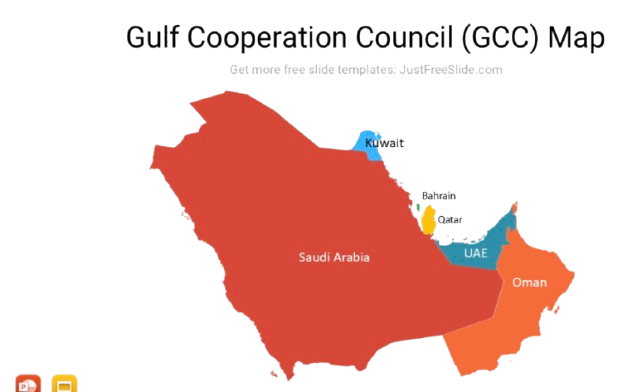
The GCC has a different sustainability landscape from Europe or the United States.
Companies here are influenced by national economic diversification, energy-transition plans, international investors, major customers and increasingly sophisticated procurement requirements.
Across the UAE and GCC, listed companies continue to publish Sustainability and ESG Reports covering sectors including banking, energy, transport, insurance and industry.
Regional stock exchanges have also developed common ESG disclosure metrics covering areas such as emissions, energy, water, workforce, diversity, privacy and ethics.
So while international politics may have cooled some of the enthusiasm around the term “ESG”, the underlying demand for sustainability information remains.
Reporting is becoming more practical
There has also been a change in what makes a useful Sustainability Report.
The trend is moving away from long reports filled with general sustainability statements.
Companies are under greater pressure to explain:
• Which ESG issues actually matter to the business
• What targets have been set
• Which baseline is being used
• What changed during the year
• Where performance improved or missed expectations
• How sustainability risks affect operations and strategy
The revised European Sustainability Reporting Standards provide a good example. Reporting requirements were simplified during 2026, with greater emphasis on material information rather than disclosure volume.
This does not mean sustainability matters less.
It means more reporting is not necessarily better reporting.
Greenhushing may also be part of the change
Companies have also become more cautious about making large environmental claims.
Political scrutiny, greenwashing concerns and more demanding reporting standards mean businesses may prefer to communicate less rather than publish commitments they cannot demonstrate.
This can make sustainability appear quieter.
But quieter communication should not automatically be confused with less activity.
The more important question is whether companies continue to collect reliable data, manage climate and social risks, improve operations and measure progress.
So, is motivation dwindling?
In some areas, yes — enthusiasm has clearly cooled.
The political environment is more difficult, regulation has been simplified in some markets and companies are under pressure to prioritise short-term cost, security and growth.
But that does not mean sustainability reporting is disappearing.
What appears to be changing is the reason companies act.
Sustainability is becoming less about making ambitious ESG statements and more about demonstrating resilience, efficiency, measurable performance and long-term business value.
For UAE and GCC companies, that may ultimately produce better Sustainability Reports.
Less hype.
Fewer generic commitments.
More evidence of what the company is actually doing.
What this means for your next Sustainability Report
Companies preparing their 2026 or 2027 Sustainability Reports should not try to follow every international ESG trend.
Instead, focus on the issues that genuinely affect the business.
A strong report should show clear material priorities, reliable ESG data, measurable targets, year-on-year performance and honest discussion of challenges.
This information is also increasingly useful beyond the report itself.
The same data may be required by customers, lenders, investors, EcoVadis assessments, tender processes and international supply-chain partners.
The aim should be simple:
make sustainability performance clear, measurable and relevant to the business.
Related reading
• Could Your Sustainability Report Improve Your EcoVadis Rating?
• UAE’s New Climate Law: How it impacts businesses
• Localizing Your Sustainability Report